Selected work
First-hand case studies from building design teams and products across AI, developer experience, platforms, and deeply technical spaces.
Protodash: Giving teams leverage with AI
Stripe – 2026
How I built an internal AI prototyping system that gave designers, product managers, and engineers a faster path from an idea to a realistic, shareable product experience.
Read the case studyWorkbench: A new way to debug, monitor, and build integrations
Stripe – 2024
My team designed an entirely new way for developers to build and debug their integrations—right where they’re already working in the dashboard, and beyond. Workbench helps developers stay in their flow state and get more done.

Hydrogen: The future of headless commerce
Shopify – 2023
I led UX for the Custom Storefronts group, building the future of headless commerce tools at Shopify, Hydrogen and Oxygen. I built a new UX team from the ground-up that went deep with merchants to help them build the next generation of commerce experiences.

Online Store GitHub integration
Shopify – 2022
My team brought an official GitHub integration to Shopify as a part of the Online Store 2.0 launch.
Previously, developers needed to work on their theme locally, zip it up, then upload it to Shopify manually to test it.
The GitHub integration removed this friction and allowed developers to dramatically speed up their workflows by having their changes deployed from GitHub automatically.
This work involved a deep GitHub integration, and overhauling the theme platform to allow safe continuous deployment of themes, as well as providing great developer workflows for testing changes ahead of deploying.

Deep platform extensibility
Shopify – 2021
I led a team working on a transformation of how developers can extend into the Shopify dashboard, checkout, and beyond, with third-party apps.
We crafted a marketplace-first strategy that would see Shopify introduce the ability to subscribe to physical products for the first time. Instead of building it into the core platform, we built platform primitives and extension frameworks that enabled developers to unlock the functionality for merchants.

A new kind of design system
Spotify – 2019
I worked closely with Spotify’s team to help build a next-generation design system. Encore isn’t a single design system, it’s family of design systems, managed by distributed teams. Spotify had more than 100 different types of hardware running its software, making it impossible to evolve patterns over time.
We worked across the company to untangle hundreds of unique components, making it simpler for teams to ship consistent, beautiful experiences to their users—without compromising on speed.

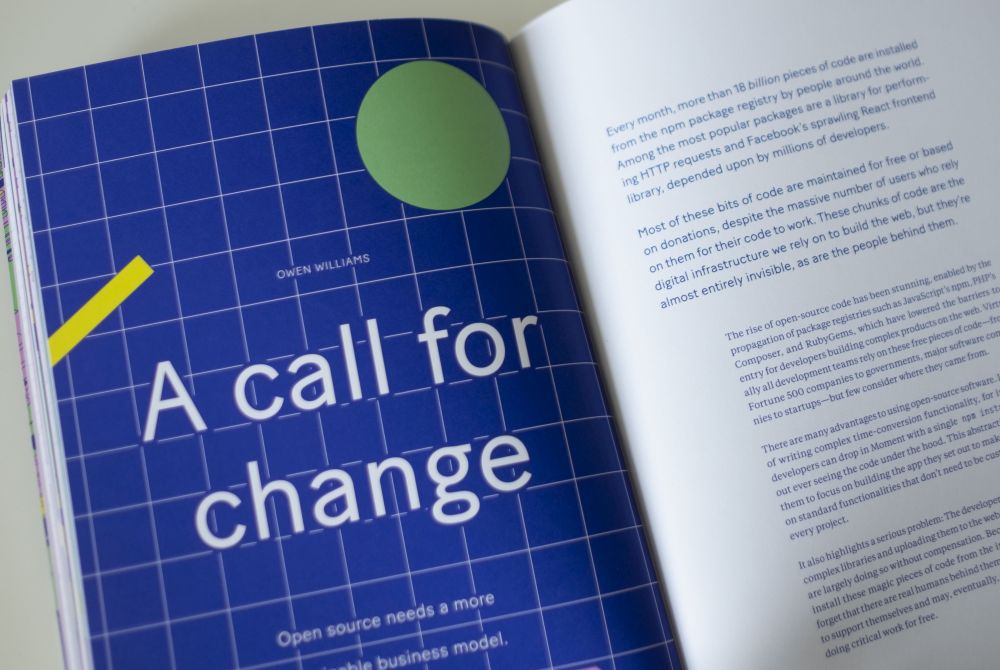
A call for change in Open Source
Increment/Stripe – May 2019
Working with Stripe’s Increment magazine, which dives deep on technical topics, we wrote about a sea change that needs to happen in open-source software before it’s too late: better diversity, and supporting maintainers financially.
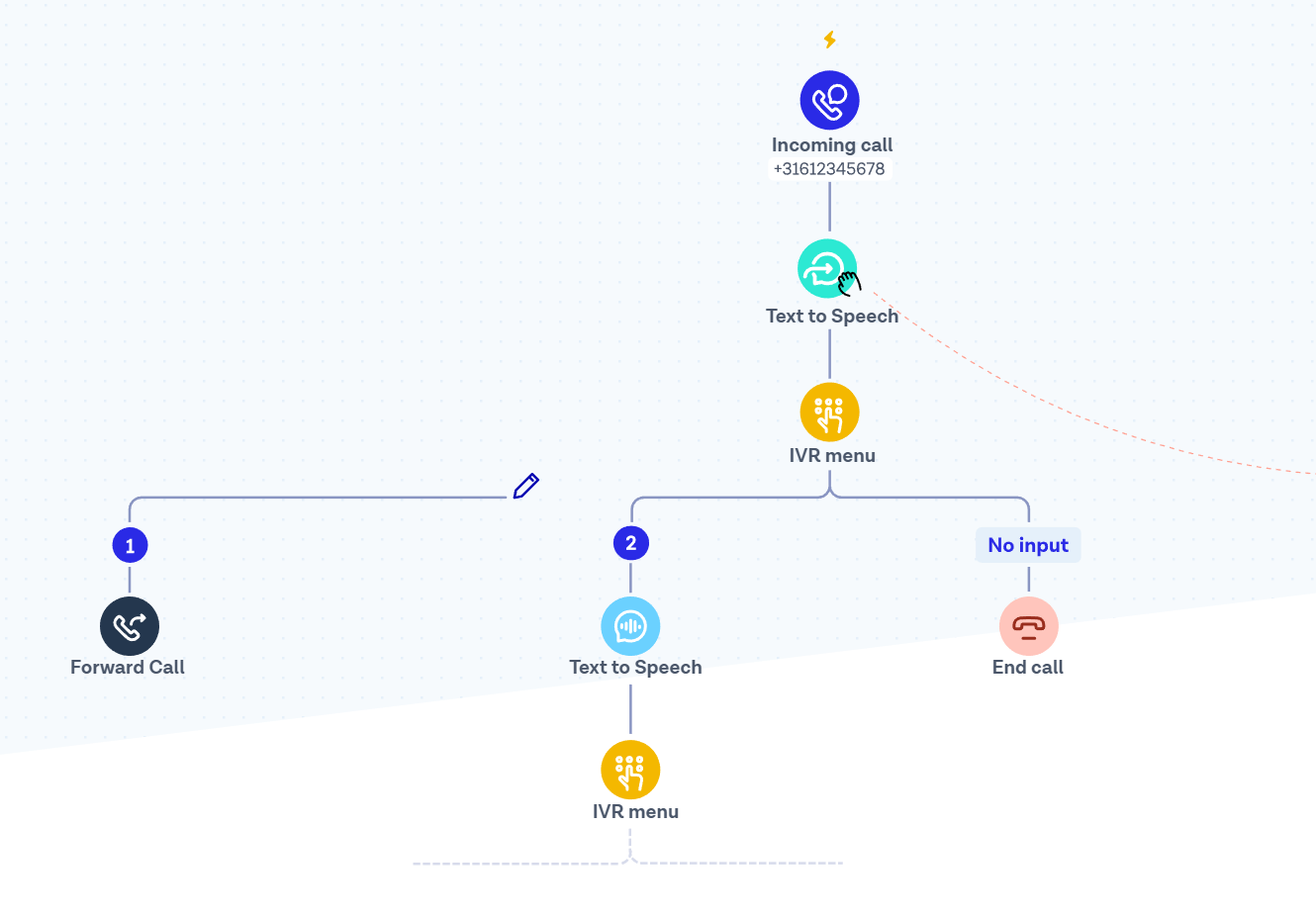
User-focused interface copy
MessageBird – July 2018
MessageBird’s latest product makes it simple for anyone to build complex voice or SMS-based flows, just by dragging and dropping.
Alongside the company’s internal development team, I helped MessageBird write user-centric copy during the development phase, and crafted UX Writing principles that could be used long term as the product continues to evolve.
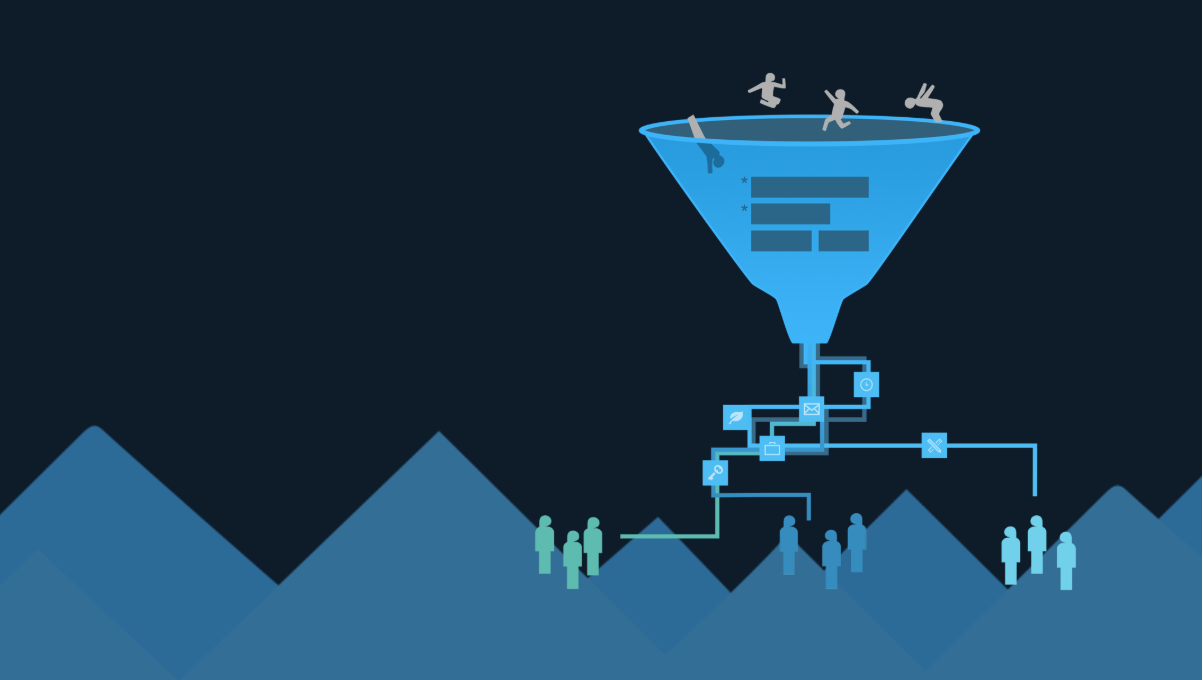
Data-driven sales
Clearbit – May 2018
Working closely with Clearbit’s internal marketing team, I helped transform their existing web-based content into a e-book, and eventually a physical book.
We looked at the content already published on Clearbit’s fantastic blog, and adapted the relevant bits into a book that didn’t feel like just another rehash of content that’s already out there.
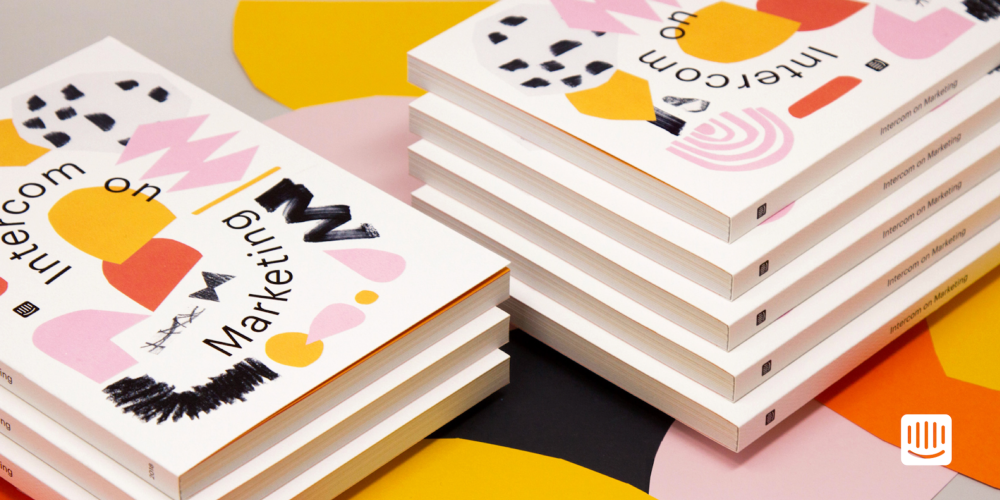
Intercom on Marketing
Intercom – April 2018
Collaborating with Intercom’s internal content teams, I worked on the latest edition of the company’s book series on marketing.
Over the space of two months we sprinted to get original writing, editing and cleanup work ready to go to print.
Building landing pages that convert
DigitalOcean – March 2018
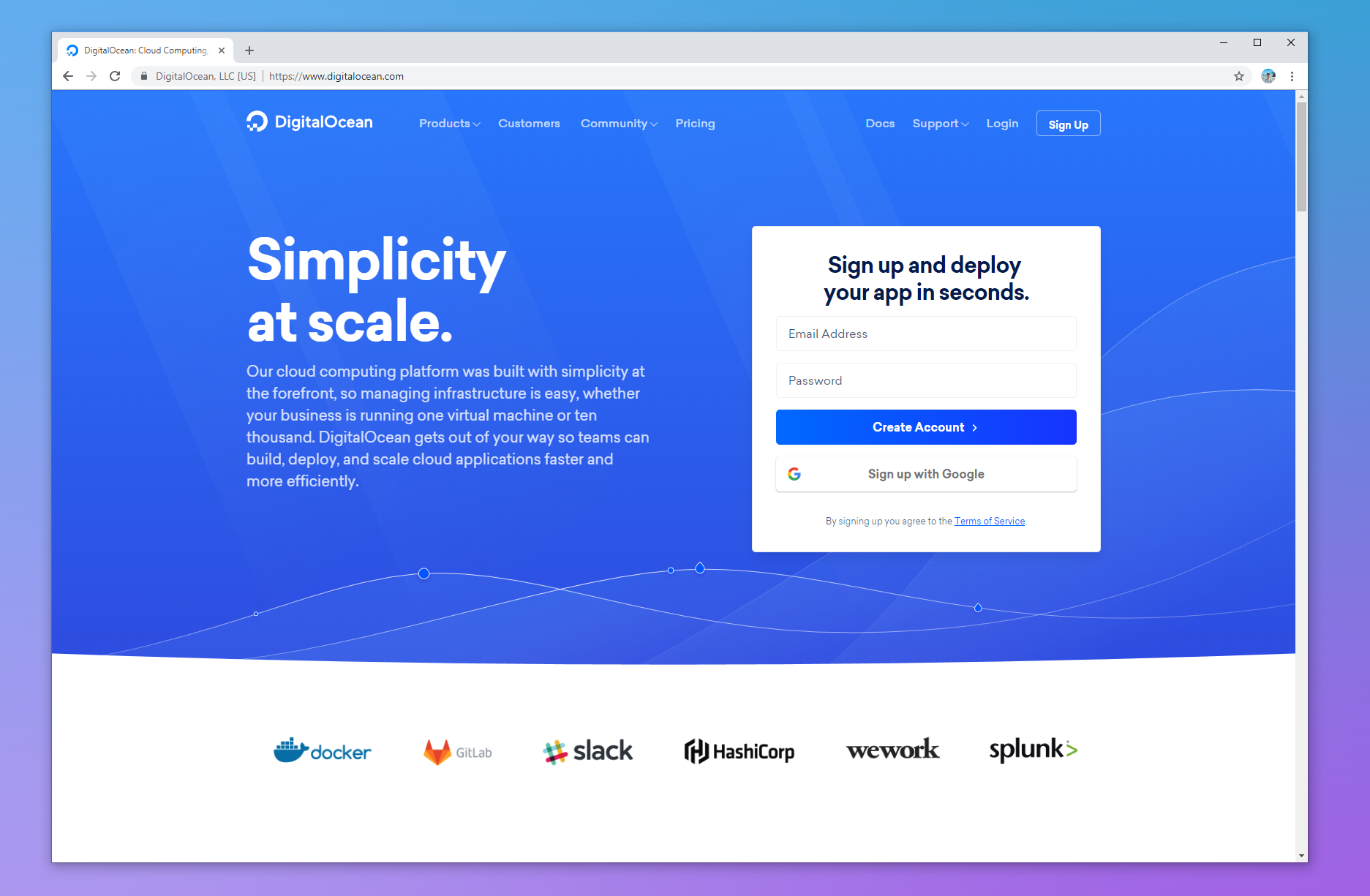
With DigitalOcean’s in-house marketing team, I helped build landing pages that convert, and worked closely with the team to define the page layout, elements and success criteria.
We created a wide array of pages, covering topics from MySQL to Node.JS, designed to be inherently useful to developers, rather than just spout a bunch of SEO nonsense.
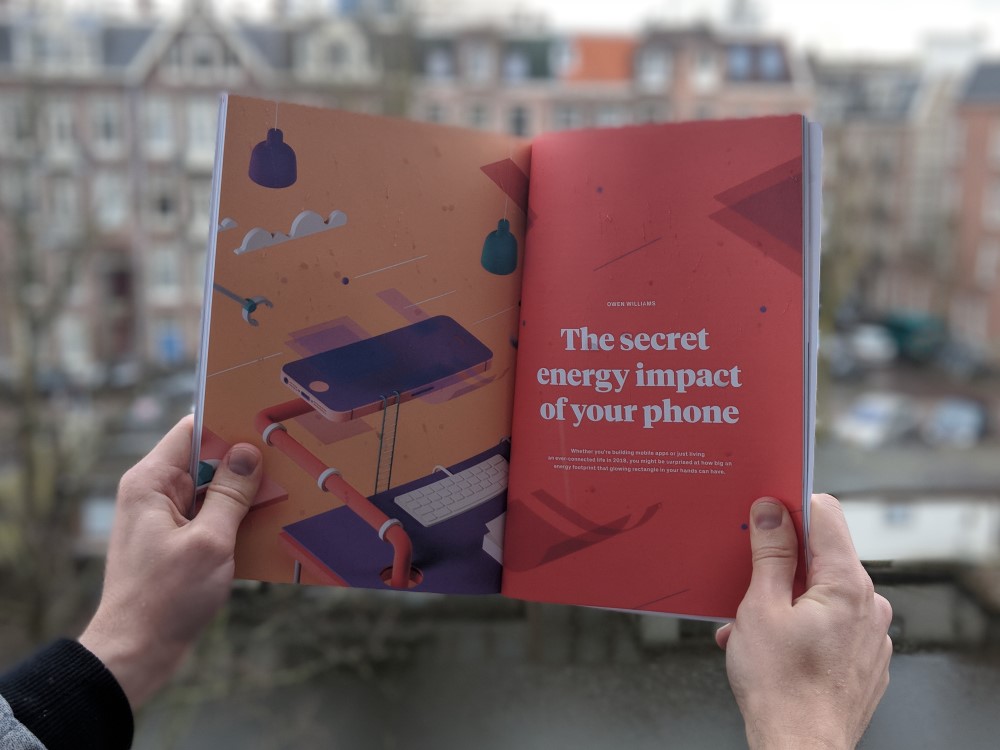
The Secret Energy Impact Of Your Phone
Stripe – January 2018
For Stripe’s Increment Magazine, I spent a few weeks tracing every part of the puzzle of the energy involved in your phone every day.
What I discovered, and wrote about, was that the energy impact of your iPhone seems small, but has a footprint much larger than anyone thought.
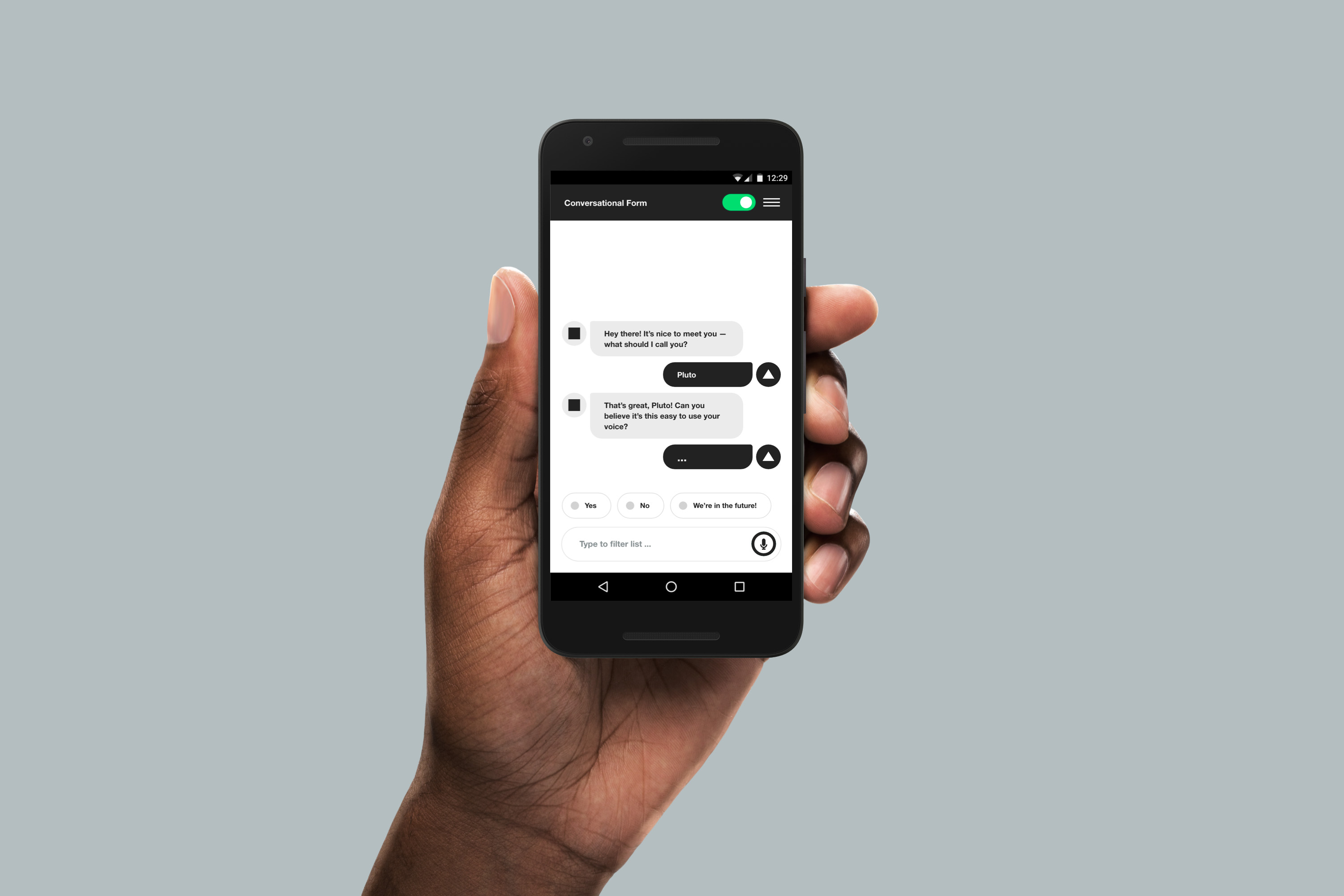
Conversational Interface Exploration
IKEA/SPACE10 – October 2017
With SPACE10, IKEA’s innovation lab in Copenhagen, I explored what a chat-based personality under the IKEA brand might feel to interact with, and built out prototype experiences.
Over the space of six months, we designed a UX Writing framework, the content itself, and the experience as a part of the chatbot exploration, ultimately building a usable product.
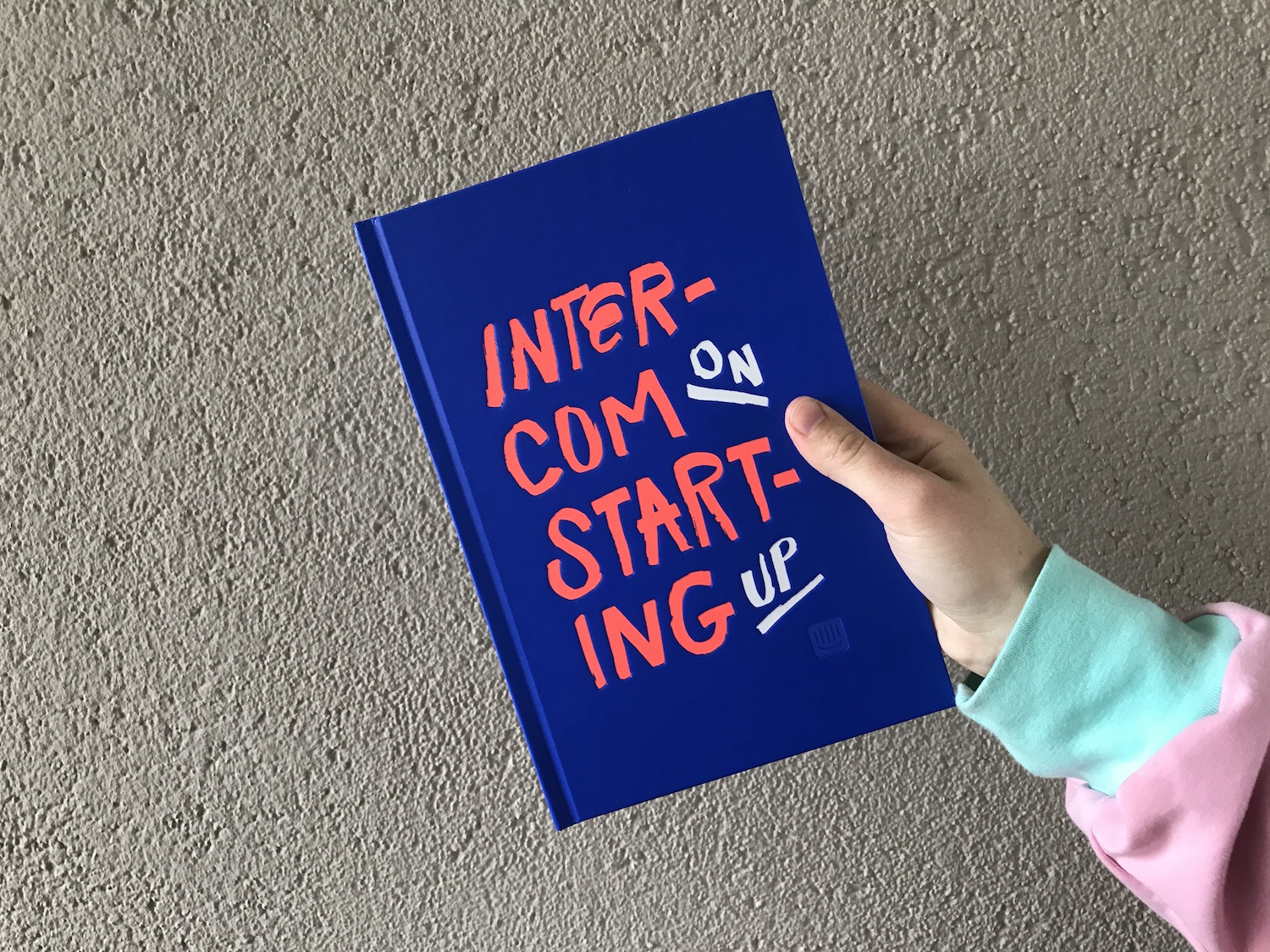
Intercom on starting up
Intercom – April 2017
I worked closely with the Intercom editorial teams on it’s first print book ‘Intercom on Starting Up.’
This project involved editing, writing original content, research and distilling Intercom’s existing knowledge into readable chapters, as well as making sure it communicated their brand’s values coherently.
Conversational interfaces aren’t new, but they’re changing the game
IKEA/Space10 – December 2016
Conversational interfaces, like Facebook Messenger bots, feel like they’re out of science fiction… but their dirty little secret is that we’ve been trying to perfect them since the 1980’s.
Here’s an exploration of why conversational interfaces are booming now, and why it’s important to not miss out. This was a collaboration with IKEA and Space10 over the space of six months that explored conversational UI in many disciplines, beyond just writing about it.
How design is being transformed by things we can’t see
IKEA/Space10 – November 2016
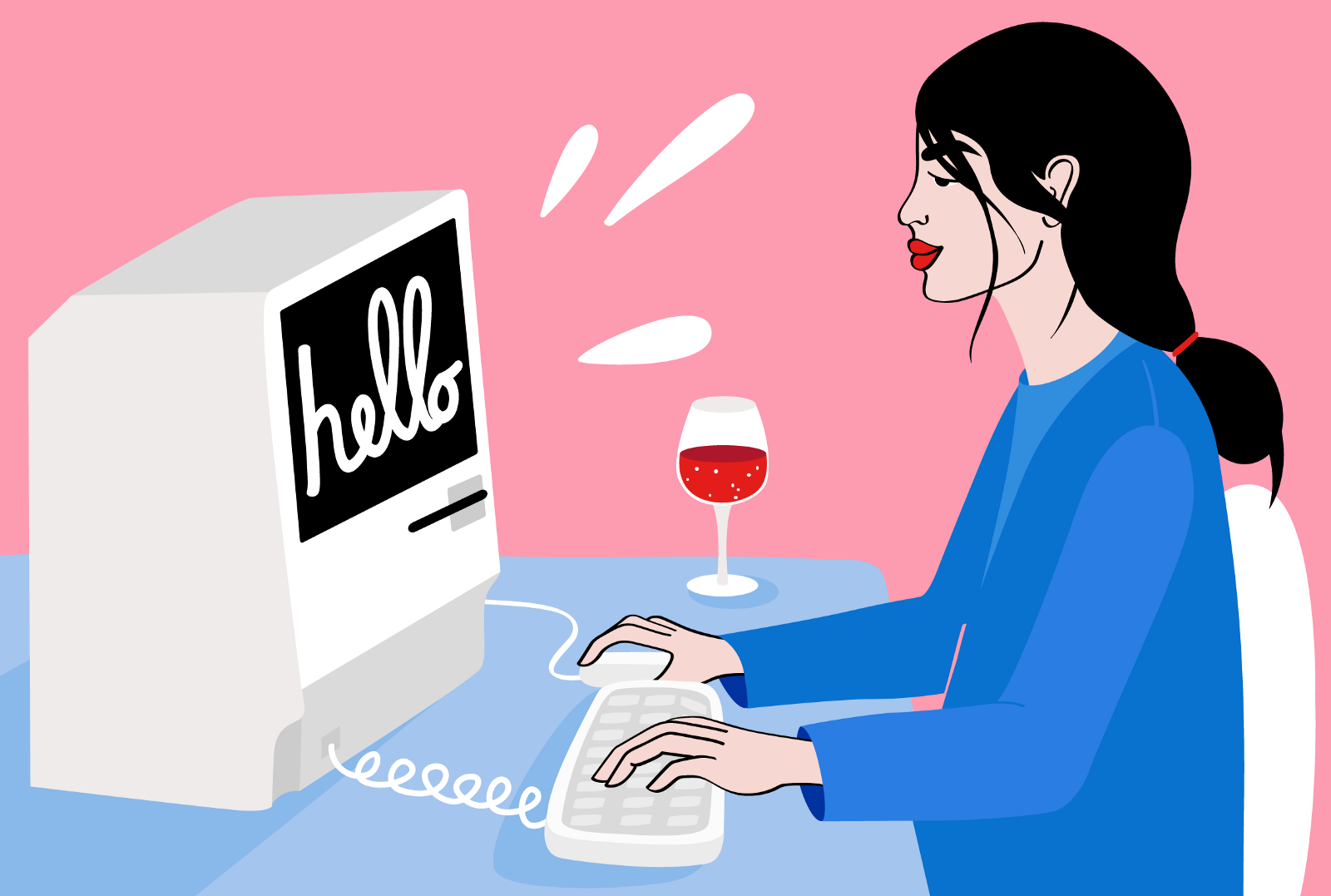
How can we design interfaces when there’s nothing to actually see?
An exploration for IKEA/Space10 of designing invisible user experiences, like those you might find on voice assistants such as Amazon Echo or Google Home.